
- This topic has 0 replies, 1 voice, and was last updated 4 years, 10 months ago by
Anonymous.
-
AuthorPosts
-
-
June 4, 2021 at 3:32 pm #7894
Anonymous
InactiveLingering Image of Arcadia
My lingering image of Arcadia is from my very first day of observation. Coming in, I expected to be ushered into a classroom of rambunctious, excited 8th graders – cooped up from a year of social isolation, ready to engage with the project-oriented structure of Arcadia (that I had read about on their website). Instead, I walked into the doors of the 8th grade classroom to find only three students present. They were sitting 10 feet apart from one another, huddled over laptop screens with giant earphones blocking any outside sound. None of the students faced each other; rather the desks were positioned in a line facing the back wall (an empty, beige expanse of space). The classroom monitor sat in the back of the room in order to keep track of the students’ computer screens. Arcadia has been in an online mode – while some students are there in person, most Zoom in from home. Sitting in class on the first day I was unsettled by the eerie silence of the classroom space. No one spoke. No one moved.
And then something else happened that has really stuck with me. The students were in an English class (I tune into their Google meets classes from my own laptop) and one of the students mentioned to their teacher that they didn’t have the book yet. The teacher replied that that was no problem – they should be able to grab a copy from the front office. The student stood up and started to walk towards the door when the classroom monitor snapped to attention. “Where do you think you are going?” she questioned. When the student started to explain that he was grabbing a book she began to interrupt – “You can’t just leave the classroom; are you sure your teacher actually said that?” I watched as the student began to get angry, and yelled back at her – asking why he wasn’t allowed to get a book that he needed for class. It was an incredibly tense and uncomfortable moment to be a part of. In the end, the monitor left the room to get the book while the student stayed behind. I watched as he angrily sat down and put his head on the table. Even when the book was brought to him a few minutes later, he refused to engage in the rest of the English course.
These lingering images are representative of my tutoring experience as a whole because so much of my observation was colored by the pandemic. Outside of outdoor activities, students rarely had time to interact with one another – they sat for the most part in their own sections, doing independent work, and any chit-chatting was usually shut down by the monitors. The role of the teacher/monitor, then, became more about enforcing discipline than actually promoting learning. Throughout my time at Arcadia, this made me reflect a lot on the role of collaboration in the classroom and the negative effects of using shaming as a teaching device.
Final Conclusions About Teaching and Learning
This helped me come to two different conclusions about learning. The first is that learning should be a cooperative, collaborative endeavor between students and teachers. Students must be allowed to be social – moving through Erikson’s crisis and finding their place among people – and students learn better when they are learning together. There were a few classes where I felt teachers really missed out on having students become each other’s MKOs. In one lesson in particular a student who knew a lot about European history kept interrupting the Google Meets class to interject fun, additional facts. But instead of encouraging this sharing of knowledge, the teacher just waited silently and moved on. I could see how in an in-person situation, there might have been real opportunities for learning from this student if students were doing group activities/projects together.
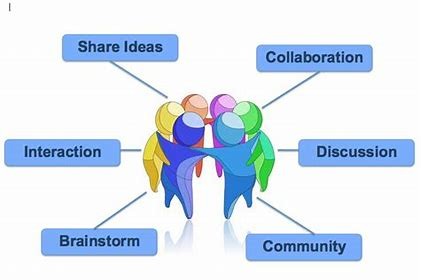
Another conclusion I have come to (and this is perhaps not in its final wording!) is that students should have some kind of agency/autonomy in the classroom. Based on Piaget, Duckworth, and the readings we have done about internal motivation, I have come to the conclusion that it is meaningful for students to have some control over what they are learning. It enhances performance, retention, and excitement for school. But even more than this, students should feel a sense of encouragement and agency over themselves in class. What was so disturbing about the event that I described above about the book was how the student had no trust from his teacher – when he got up from his chair he was immediately a suspect and ended up being confined to the classroom space. As is clear from what followed this argument (the student completely tuning out from the class), the shaming and lack of encouragement completely shut down any motivation to learn. Being at Arcadia has taught me to think critically about how teachers enforce authority in the classroom – and that it should not be done just to prove that you are in control.
Goodbye Arcadia!

-
This topic was modified 3 years, 10 months ago by
admin.
-
This topic was modified 3 years, 10 months ago by
-
-
AuthorPosts
- You must be logged in to reply to this topic.